
How To Reduce Heat Pump Noise
Outdoor heat pump noise can come from compressor hum, fan noise, vibration, installation location, and nearby reflective surfaces.
Fortunately, there are several proven ways how to reduce heat pump noise and improve comfort both indoors and outdoors.
How To Choose The Right Heat Pump Noise Solution
Many homeowners assume a noisy heat pump is simply part of owning a heat pump system. In reality, several different components can create unwanted noise.
Different heat pump noises require different solutions. The chart below helps identify which upgrade is most likely to help.
This guide explains how to reduce heat pump noise using the most effective solutions available for residential systems.
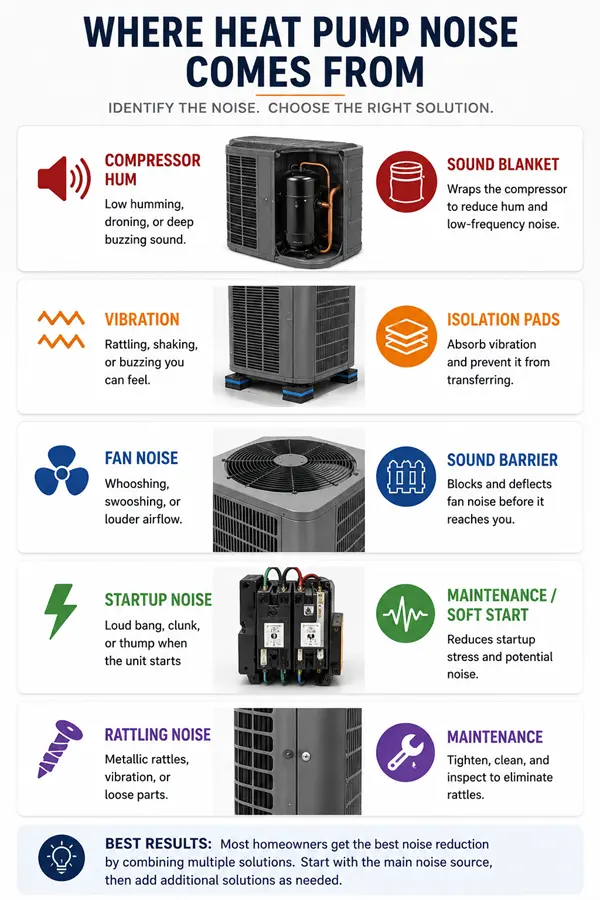
Most Homeowners Need More Than One Solution
Heat pump noise rarely comes from a single source.
Most systems produce a combination of compressor hum, fan noise, vibration, and airflow noise.
The quietest systems usually combine multiple noise reduction methods rather than relying on a single upgrade.
Understanding how to reduce heat pump noise starts with identifying which component is creating the noise.
1. Reduce Heat Pump Noise With A Sound Blanket
Wholesale pricing available for HVAC contractors and HVAC Distribution companies.
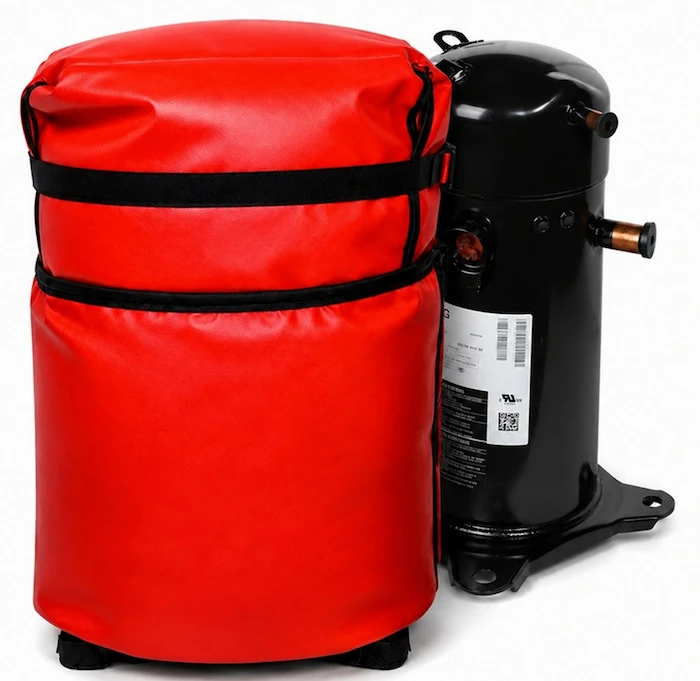
One of the most effective ways how to reduce heat pump noise is with a heat pump sound blanket.
Sound blankets wrap around the compressor and help contain the humming, droning, and buzzing sounds it produces.
Best For: Compressor hum, low-frequency droning, and deep buzzing sounds.
The Tone Wrap Heat Pump Sound Blanket features a multi-layer acoustic design that combines a dense acoustic layer with sound-absorbing insulation to help reduce compressor noise. The result is a quieter outdoor environment without replacing your existing heat pump.
Not all sound blankets perform the same. See our AC Sound Blanket Comparison Test Results to compare several common designs side-by-side.
Compressor sound blankets are commonly used on both air conditioners and heat pumps to reduce compressor hum, vibration, and low-frequency noise.
If you have a heat pump system, see our dedicated Heat Pump Sound Blanket page.
2. Install Rubber Isolation Pads
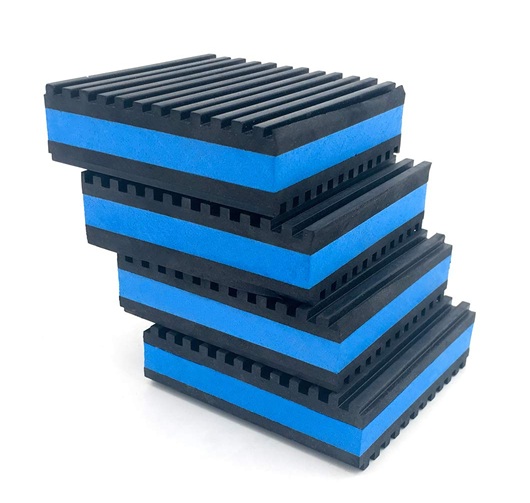
Over time, vibration pads beneath an outdoor condenser can deteriorate.
Best For: Vibrations, rattling, buzzing through walls, decks, and concrete pads.
When this happens, vibration transfers into the mounting surface and surrounding structure, creating rattling noises that seem louder than the actual unit.
Replacing worn pads can significantly reduce vibration-related noise.
Best for:
- Deck-mounted condensers
- Concrete pads
- Homes where vibration can be felt indoors
3. Move The Unit Away From Windows And Patios
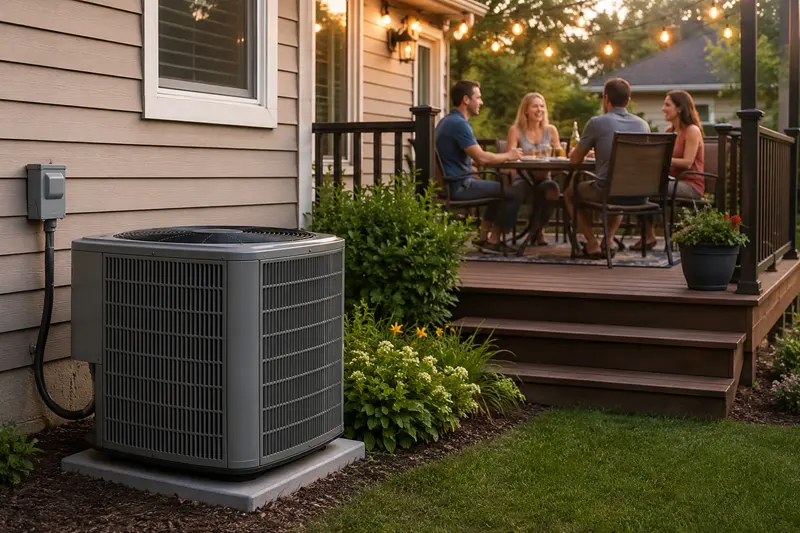
Outdoor heat pump location has a major impact on how noticeable the noise becomes indoors and outdoors.
Best For:
• Bedrooms near outdoor units
• Patios and decks
• Home offices
• Townhomes and small lots
Even relatively quiet heat pumps can seem loud when installed directly outside windows or outdoor living spaces.
Moving listening areas farther away from the unit often reduces perceived noise significantly without modifying the equipment itself.
Sound barriers and landscaping can also help reduce the amount of sound reaching frequently used areas.
Heat pumps often operate for more hours each year than traditional air conditioners, making unit placement even more important for comfort.
4. Reduce Heat Pump Noise With A Sound Barrier
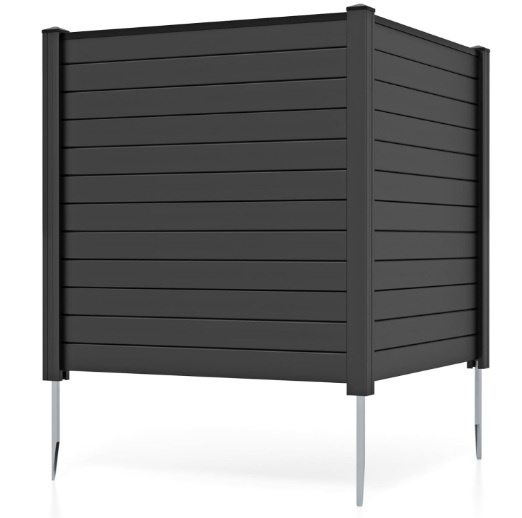
One way how to reduce heat pump noise is to not reduce it’s noise at all.
A properly designed sound barrier fence can reduce both compressor noise and fan noise before it reaches patios, decks, neighbors, and outdoor living spaces.
Best For: Fan noise, patio noise, and reducing sound reaching neighbors.
While heat pump sound blankets primarily target compressor noise, sound barriers help reduce the overall sound reaching patios, decks, and neighboring properties.
For best results:
• Leave adequate airflow around the condenser
• Avoid fully enclosing the unit
• Use dense materials
• Position barriers between the heat pump unit and listening areas
Even a temporary sheet of plywood can demonstrate how sound barriers reduce perceived noise.
5. Keep The Unit Properly Maintained
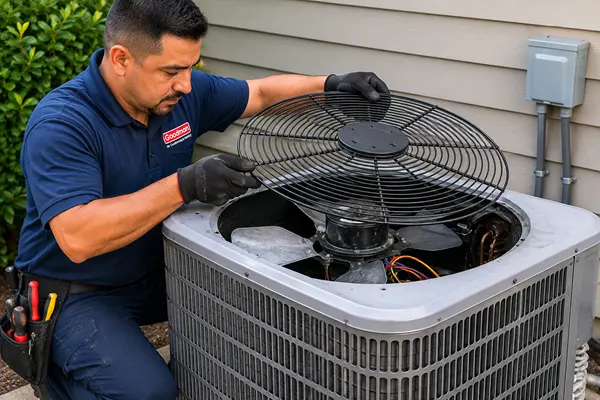
Dirty condenser coils can restrict airflow and cause the fan and compressor to work harder.
Best For: Systems that have become noticeably louder over time.
Dirty coils don’t create noise by themselves.
Instead, they force the heat pump to work harder, making existing noises more noticeable.
Routine cleaning may help:
- Improve efficiency
- Reduce operating strain
- Lower overall noise levels
A professional HVAC cleaning can often reveal other sources of noise as well.
Regular condenser cleaning can improve efficiency and reduce operating strain. The U.S. Department of Energy also recommends routine heat pump maintenance to help systems operate efficiently.
6. Verify The Noise Is Actually Coming From The Compressor
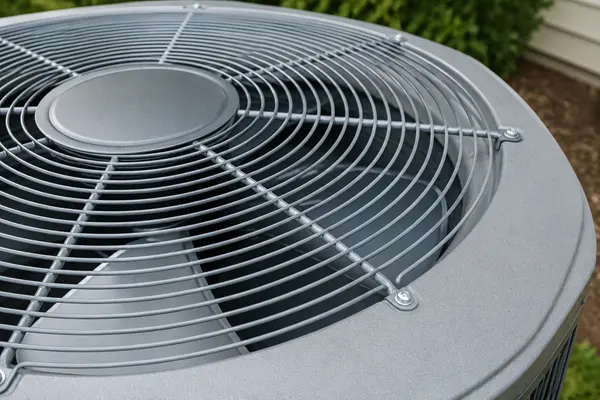
Loose panels, fasteners, and mounting hardware can create rattles that become surprisingly loud.
Best For: Metallic rattles, buzzing panels, and loose covers.
Inspect:
- Access panels
- Fan guards
- Fasteners
- Electrical covers
Many vibration noises originate from loose components rather than the compressor itself.
Simply tightening screws can sometimes reduce air conditioner noise.
7. When Replacement Makes Sense
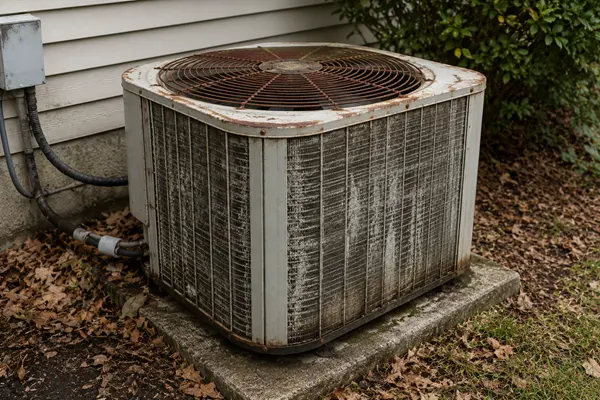
If your heat pump is nearing the end of its service life, replacement may eventually be the most effective solution.
Modern systems are often substantially quieter than units installed 15–20 years ago.
Best For: Extremely loud, aging, or mechanically worn systems.
However, many homeowners can achieve meaningful heat pump noise reduction long before replacement becomes necessary.
Why Most Homeowners Combine Multiple Solutions
Air conditioners rarely make just one type of noise.
A typical system produces some combination of:
• Compressor hum
• Fan noise
• Vibrations
• Startup sounds
The quietest systems usually combine several upgrades, such as a compressor sound blanket, vibration dampeners, routine maintenance, and a sound barrier fence.
Not sure what’s causing the noise? Read our guide to common causes of loud air conditioners.
Reduce Air Conditioner Noise Without Replacing Your AC
Start by identifying the loudest source of noise.
For most homeowners, the compressor is responsible for the majority of the noise.
The Tone Wrap Heat Pump Sound Blanket targets the compressor directly and installs without modifying your existing heat pump system.
Many homeowners are surprised by how much they can reduce heat pump noise without replacing the entire system.
Most homeowners can reduce air conditioner noise significantly without replacing an otherwise functioning system.