
Why Is My Air Conditioner So Loud?
Every air conditioner makes noise. The key is understanding which type of noise you’re hearing.
Compressor hum, fan noise, startup clunks, and vibrations all sound different — and each requires a different solution.
This guide will help you identify the source of the noise and determine the most effective way to reduce it.
Why Is My Air Conditioner So Loud? The 4 Most Common Causes
Most homeowners assume all AC noise is the same.
In reality, air conditioners create several different types of sounds. Understanding which one you’re hearing is the first step toward reducing it.
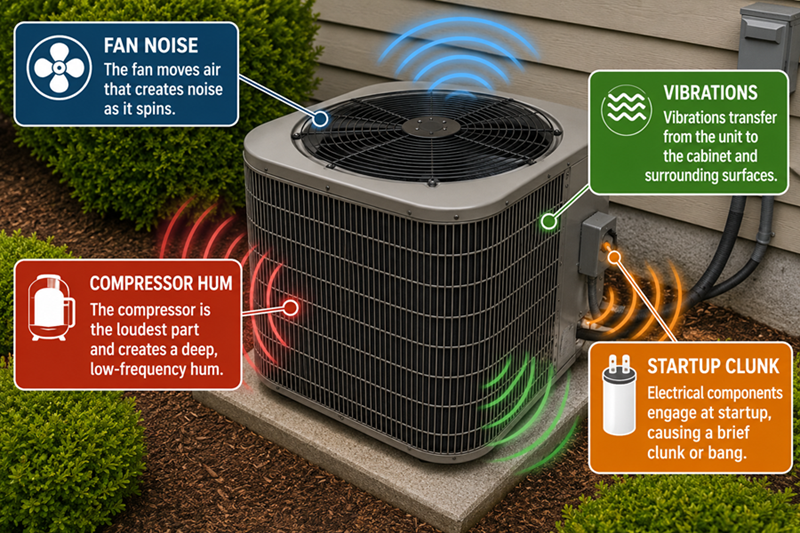
1. Compressor Hum
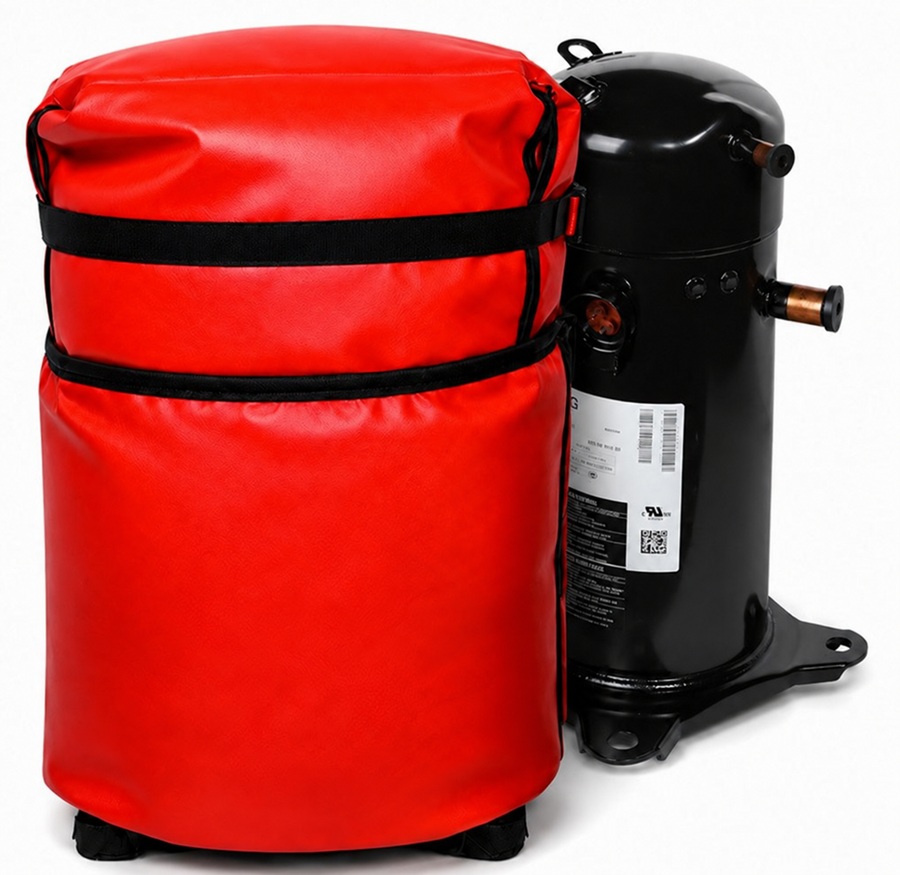
See our page on testing different methods of compressor sound reduction.
Heat pumps can experience many of the same compressor noise issues as air conditioners, including humming, vibration, and low-frequency droning.
If your outdoor unit is a heat pump, visit our Heat Pump Sound Blanket page for more information.
Compressor noise is usually heard as a low-frequency hum, drone, or deep buzzing sound.
Unlike fan noise, compressor noise tends to travel through walls, fences, and windows more easily.
The compressor is the heart of the air conditioning system and operates every time the AC runs.
Homeowners often describe compressor hum as a low-frequency drone that they can almost feel. It can be heard indoors even when the outdoor unit is several feet away.
Most Effective Solution: AC Sound Blanket (Compressor Sound Blanket)
2. Vibrations
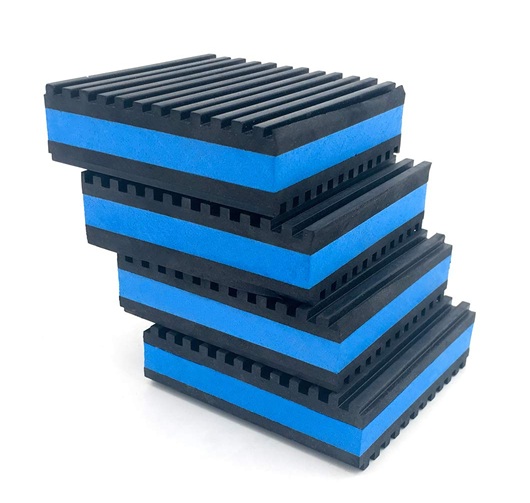
Vibrations can come from loose hardware, worn mounting surfaces, or the air conditioner itself transferring movement into surrounding structures.
These noises are often mistaken for compressor noise because both can sound like rattling or buzzing.
Vibrations may be heard through walls, decks, concrete pads, or nearby objects.
Most Effective Solution: Vibration Dampeners
3. Startup Clunk
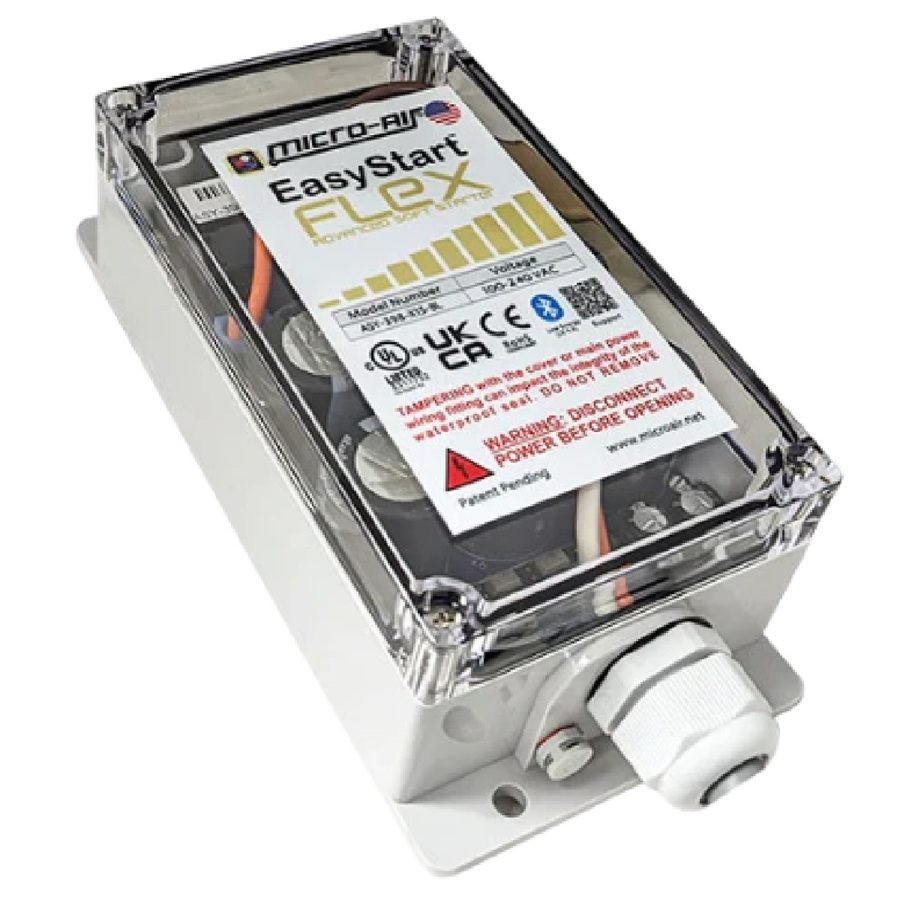
Some air conditioners produce a loud clunk, thunk, or bang when starting.
This sound is often caused by electrical components engaging suddenly during startup.
Because the sound only occurs for a moment, many homeowners ignore it even though it can be surprisingly loud.
Startup clunks usually happen once when the system starts and then disappear while the air conditioner is running normally.
Most Effective Solution: Soft Start Device
4. Fan Noise
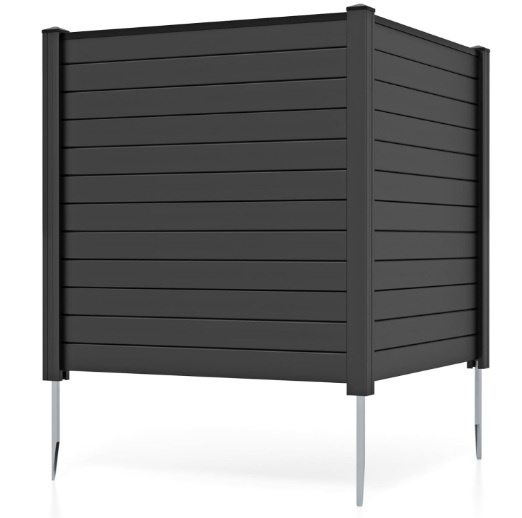
Fan noise is usually the loudest sound produced by an air conditioner.
It sounds like rushing air or a constant whooshing sound.
Many people tolerate fan noise because it resembles white noise, but it can become annoying when trying to enjoy a patio or outdoor living space.
Most Effective Solution: Sound Barrier Fence
Conditions That Make AC Noise Worse
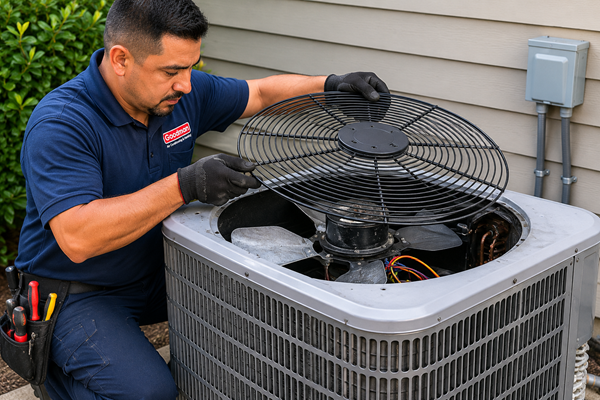
Dirty coils don’t create a new type of noise.
Instead, they amplify existing noises.
Restricted airflow forces the air conditioner to work harder, making compressor, fan, and vibration noises more noticeable.
U.S. Department of Energy air conditioner maintenance recommendations
Still Not Sure What's Causing The Noise?
One of the best videos I’ve found walks through 14 different causes of AC noise and how to diagnose each one before spending money on repairs or accessories.
Which Noise Are You Hearing?
Deep humming or droning?
Start with an AC compressor sound blanket if the noise is coming from the compressor.
Rattling or buzzing?
Check for vibration issues.
Loud startup bang?
Consider a soft start device.
Air rushing noise?
A sound barrier fence may help.
Many homeowners discover they are dealing with more than one type of noise at the same time.
Most homeowners can reduce outdoor AC noise significantly without replacing an otherwise functioning system. But it all starts with understanding the different sounds. Then learning the AC compressor blanket pros and cons.